

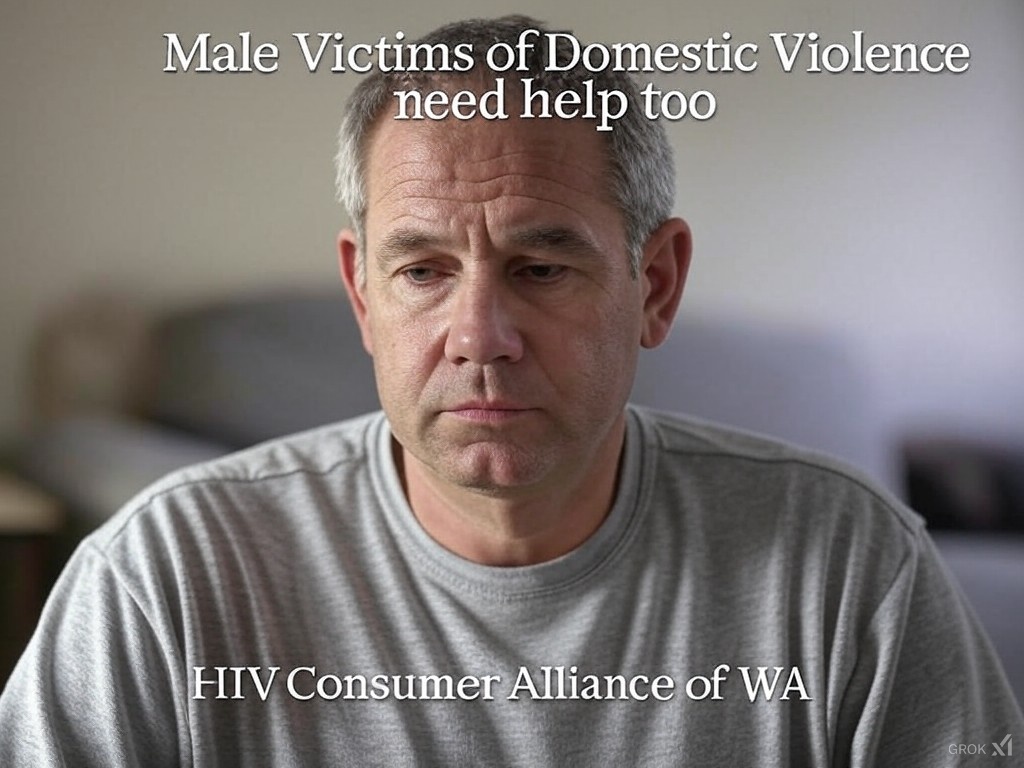
Men as Victims of Domestic Violence in Australia: Unveiling the Hidden Crisis
Watch: Men as Victims of Domestic Violence: Unveiling the Hidden Crisis
This article "Men as Victims of Domestic Violence in Australia: Unveiling the Hidden Crisis" demonstrates beyond reasonable doubt that this is a significant and underreported issue, often overshadowed by feminist narratives focusing on female victims. While women face higher rates of severe violence, the experiences of male victims are frequently dismissed due to societal stigma, coverups and misreporting of data. Here's what the data reveals about the prevalence, underreporting, and impacts of domestic violence on men, with a focus on the hidden scale of this crisis.
Prevalence of Domestic Violence Against Men
- Physical and Sexual Violence: According to the Australian Bureau of Statistics (ABS) Personal Safety Survey (PSS) 2021-22, 1 in 14 men (7.3%, or 693,000) have experienced physical and/or sexual violence from an intimate partner since age 15.
- Emotional Abuse: 14% of men (1.3 million) have faced emotional abuse from a current or previous partner, involving control, isolation, or intimidation.
- GB Men at Higher Risk: Gay and bisexual men face elevated rates, with 26% of gay men and 37% of bisexual men experiencing intimate partner violence in their lifetime, compared to 7.3% of heterosexual men (ABS PSS 2021-22, AIHW 2023).
Underreporting: A Silent Epidemic Distorting Reality
- Men are far less likely to report domestic violence. ABS PSS 2016 data shows that only 2.8% of men report violence from a current partner to police (97.2% don't), compared to 17.9% of women (82.1% don't report). Even for informal support, 39% of men do not seek advice after violence from a previous partner, slightly higher than 37% of women.
- The Hidden Scale: In Western Australia, 4,082 men were reported as FDV assault victims in 2023 (ABS Recorded Crime – Victims 2023). Adjusting for the 97.2% underreporting rate, the true number could be 145,786 men in WA alone. Nationally, this suggests 1.46 million men—or 1 in 7 Australian men—may have experienced FDV-related assault in 2023.
- Revising the Narrative: Reported data shows 35.3% of FDV victims are male. But factoring in underreporting, this could rise to 3 in 4 victims (77.7%) being male, with 145,786 male victims compared to 41,793 female victims in WA alone. This means all commonly cited domestic violence data drastically underestimates the number of male victims, hiding a crisis where men may be the majority of victims.
How We Calculated the True Scale of Male Victims
Reported in WA (2023): 4,082 male FDV assault victims, 7,481 female victims.
Men’s Reporting Rate: 2.8% (97.2% don’t report).
True Male Victims: 4,082 ÷ 0.028 = 145,786.
Women’s Reporting Rate: 17.9% (82.1% don’t report).
True Female Victims: 7,481 ÷ 0.179 = 41,793.
Total True Victims: 145,786 (men) + 41,793 (women) = 187,579.
Proportion Male: 145,786 ÷ 187,579 = 77.7% (3 in 4 victims).
Proportion of Victims and Systemic Barriers
- Reported data shows 35.3% of FDV victims are male. In Australia's largest states, men account for 36% of protection order applications (e.g., Victoria, 2018–19: 21,006 out of 58,047). But the court system often treats men poorly—60% of male victims report feeling dismissed when seeking protection (One in Three Campaign, AIFS 2019). For these men to even reach court, their situations must be dire, yet 97.2% don't report, meaning the true number needing protection could be 10 times higher—potentially 210,000 men nationally in 2018–19 alone.
Nature of Abuse
- Emotional Abuse: 37% of emotional abuse victims are male (1.3 million men). Some 13.8% of men reported being deprived of basic needs by a current partner, compared to 6.4% of women.
- Perpetrators: In heterosexual relationships, 94% of perpetrators of intimate partner violence against men are female, often in bidirectional violence scenarios (64.9% of cases in dating relationships, Straus 2008).
- Drugs and Alcohol: 48% of FDV incidents involve alcohol, and 20% involve other drugs (AIHW 2023). For male victims, 35% of IPV incidents involve alcohol use by the perpetrator, with 15% involving drugs (AIFS 2018), often exacerbating underlying power and control dynamics.
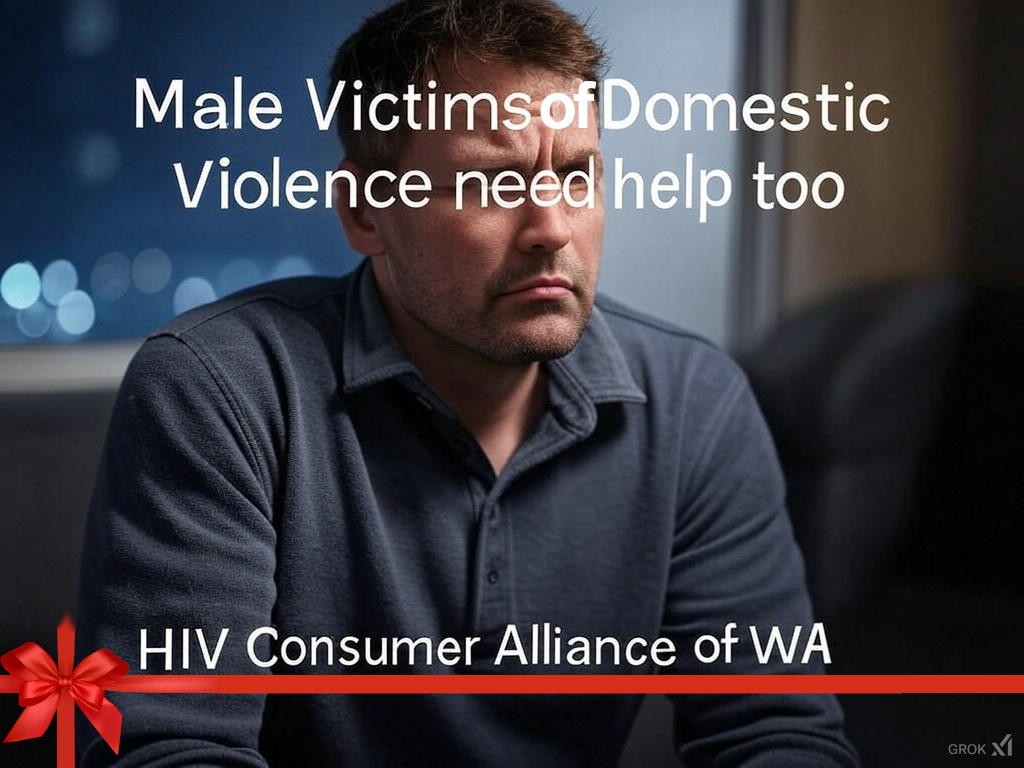
Male Victims of Domestic Violence Need Help Too!
Watch: "Domestic Violence Against Men is the New Normal" from Leaving Sugar Mountain on Bitchute!
Other Impacts
Emotional abuse leads to significant psychological harm, with around 41% of fathers reporting anxiety or fear post-separation. Men also face high levels of fear, control, and coercion after separation, often due to threats of false allegations or loss of child custody. Research indicates that false allegations are a significant concern in family court, often used to manipulate custody outcomes, with some studies estimating up to 15–20% of fathers facing such claims (AIFS, 2003).
Why This Matters
Underreporting hides the true scale of domestic violence against men—potentially over 1 million cases annually—distorting public understanding and policy. When adjusted for underreporting, men may be the majority of victims, challenging the narrative that domestic violence is primarily a women’s issue. Systemic biases in courts, societal norms that expect men to be stoic, and a lack of male-focused services exacerbate this crisis. Addressing this requires breaking down stigma, improving reporting mechanisms, and ensuring equitable support for all victims, regardless of gender.
Snapshot: The Hidden Crisis of Male Domestic Violence Victims
- Reported: 1 in 14 men (693,000) faced physical/sexual violence from a partner since age 15.
- Estimated True Scale: 1 in 7 men (1.46 million) may have faced FDV assault in 2023 alone.
- Proportion: Reported: 35.3% of victims are male. Adjusted for underreporting: 3 in 4 victims could be male.
- Underreporting: Only 2.8% of men report to police (97.2% don’t). Is this underreporting the true hidden crisis of violence against men?
Source: ABS PSS 2021-22, ABS Recorded Crime 2023, One in Three Campaign
References
- Australian Bureau of Statistics (ABS). (2023). Personal Safety Survey 2021-22. Available here.
- ABS. (2023). Recorded Crime – Victims 2023. Available here.
- ABS. (2016). Personal Safety Survey 2016. Available here.
- One in Three Campaign. (n.d.). Statistics on Male Victims of Domestic Violence. Available here.
- Australian Institute of Health and Welfare (AIHW). (2023). Family, Domestic and Sexual Violence Data in Australia. Available here.
- Australian Institute of Family Studies (AIFS). (2018). Alcohol, Drugs and Family Violence. Available here.
- AIFS. (2011). The Effect of Family Violence on Post-Separation Parenting Arrangements. Family Matters, No. 86. Available here.
- AIFS. (2003). Allegations of Family Violence and Child Abuse in Family Law Children’s Proceedings. Available here.
- Straus, M. A. (2008). "Dominance and Symmetry in Partner Violence by Male and Female University Students in 32 Nations." Children and Youth Services Review, 30(3), 252–275.
Written by James Rendell, Convenor, HIV Consumer Alliance of WA, in collaboration with Grok from xAI. Together, we crafted this article to advocate for male victims of domestic violence. Explore more insights with Grok by joining X.com!